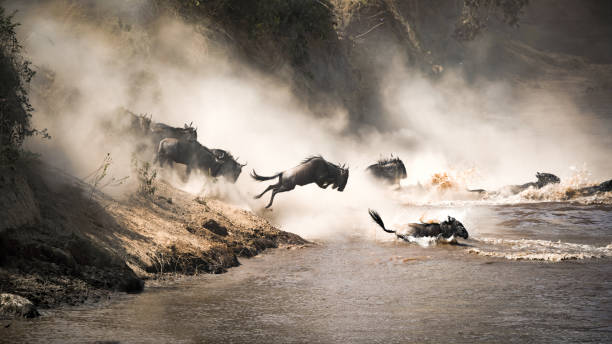
Wildebeest Migration in Africa
The Wildebeest Migration in Africa: Nature's Greatest Spectacle
The wildebeest migration in Africa stands as one of the world's most awe-inspiring natural phenomena. Each year, approximately 1.5 million wildebeest, accompanied by hundreds of thousands of zebras and gazelles, embark on an epic 1,800-mile odyssey across the Serengeti Plains in Tanzania and Kenya. Driven by the ancient instinct to find fresh grazing grounds, this magnificent procession has captivated audiences worldwide and for good reason.
A Brief History of the Great Migration
While the wildebeest migration has occurred for millennia, it remained largely unknown to the outside world until the early 20th century. German explorer Oscar Baumann brought this natural wonder to international attention during his expeditions through East Africa. Since then, the migration has evolved into one of the planet's most coveted wildlife experiences, drawing enthusiasts from every corner of the globe.
The Migration Route: A Year-Round Journey
The Cycle Begins
The migration follows a predictable annual pattern, beginning in the southern Serengeti where thousands of wildebeest calves are born between January and March. As the dry season arrives, the herds instinctively move northward in their relentless search for greener pastures.
The River Crossings: Drama Unfolds
The journey's most dramatic moments occur at two formidable obstacles:
The Grumeti River (May-June) The Mara River (July-August)
Both rivers teem with some of Africa's largest Nile crocodiles, making each crossing a perilous gauntlet. The Mara River crossing, in particular, represents the migration's most iconic spectacle.
Peak Season: July to August
As the migration reaches its crescendo, thousands of wildebeest mass along the Mara River's banks in the Maasai Mara. The scene is unforgettable: anxious herds gather, hesitate, then suddenly plunge into the churning waters in a chaotic rush. The crossing can span several days, and tragically, many animals fall victim to crocodiles or drown in the chaos.
Zebras and gazelles join the wildebeest herds as they push northward, creating an even more spectacular wildlife display.
Why the Migration Matters
Ecological Significance
The wildebeest migration is far more than visual spectacle—it's a vital ecological engine that sustains the entire East African ecosystem:
Grassland Regeneration The migrating herds fertilize the plains with their droppings, replenishing soil nutrients across the Serengeti and Maasai Mara. Their grazing patterns prevent grasslands from becoming overgrown, which reduces wildfire risk and maintains habitat diversity.
Predator-Prey Balance The migration serves as a mobile feast for the region's apex predators. Lions, hyenas, cheetahs, and leopards depend on this annual bounty for survival. This natural cycle maintains the delicate balance between predator and prey populations, ensuring ecosystem health.
Planning Your Migration Experience
Best Time to Visit
For the ultimate migration experience, plan your visit between July and October. During these months, the herds concentrate in Kenya's Maasai Mara, and the dramatic river crossings occur with greatest frequency.
How to Experience the Migration
Choose from several extraordinary vantage points:
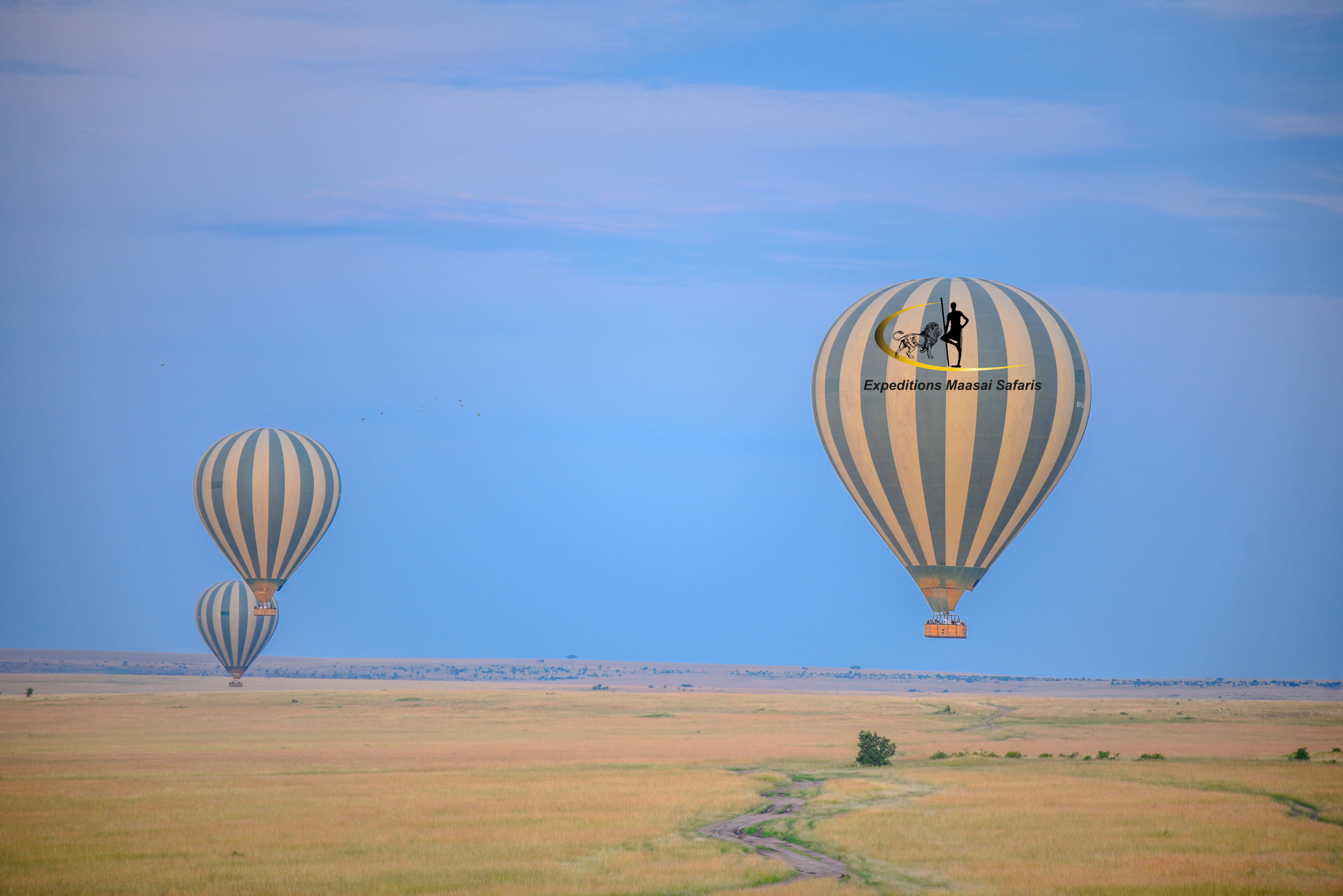
Hot Air Balloon Safaris — Float silently above the herds at sunrise Game Drives — Get up close with expert guides in 4x4 vehicles Walking Safaris — Experience the migration on foot with professional guides Luxury Lodges and Tented Camps — Stay in comfort amid the wilderness
Responsible Wildlife Viewing
When witnessing this natural wonder, please observe these essential guidelines:
Maintain a respectful distance from all wildlife
Never disturb or provoke the animals
Follow all park regulations and ranger instructions
Stay in your vehicle unless in designated areas
Practice Leave No Trace principles Witness Nature's Greatest Show
The Great Wildebeest Migration represents nature at its most raw, dramatic, and beautiful. It's a journey of survival, instinct, and renewal that has unfolded for thousands of years—and continues to inspire all who witness it.
Ready to experience this once-in-a-lifetime spectacle? Contact Expeditions Maasai Safaris today to plan your migration adventure. Our expert guides know exactly where and when to position you for the most unforgettable wildlife encounters.
The migration waits for no one. Book your safari today.
Have questions?
Chat via WhatsAppReady to Experience This?
blog
Ask About This Article
Want a tailored safari recommendation?
Send us a question about "Wildebeest Migration in Africa" and we'll point you in the right direction.
Related Posts
Refer & Earn
Refer & Earn by Expeditions Maasai Safaris is an affiliate program meant to reward you for referring others to travel with us, while at the same time helping them save an equivalent amount on their travel package.
Travel Tips
Great journeys begin long before you reach the airport. Whether you’re heading out on a guided family tour or navigating a self-drive adventure abroad, successful travel is all about the "invisible" details. From mastering the art of the perfect itinerary and securing the right insurance to navigating airport security like a pro, our comprehensive guide covers the essentials that turn a good trip into a legendary one. Learn how to manage everything from jet lag and currency to safety in new cities, ensuring that when you finally step off the plane, your only job is to enjoy the experience.
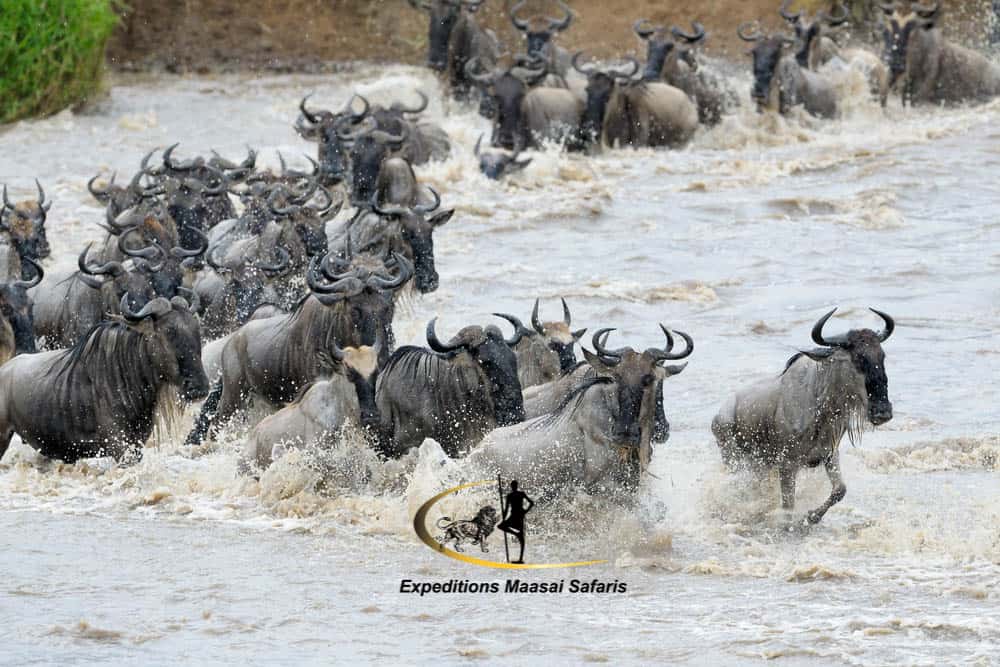
Wildebeest Migration Kenya
The wildebeest migration is a continuous cycle that takes place throughout the year. It is estimated that over 1.5 million wildebeests, 200,000 zebras, and thousands of gazelles participate in this migration across the vast plains of Tanzania and Kenya.